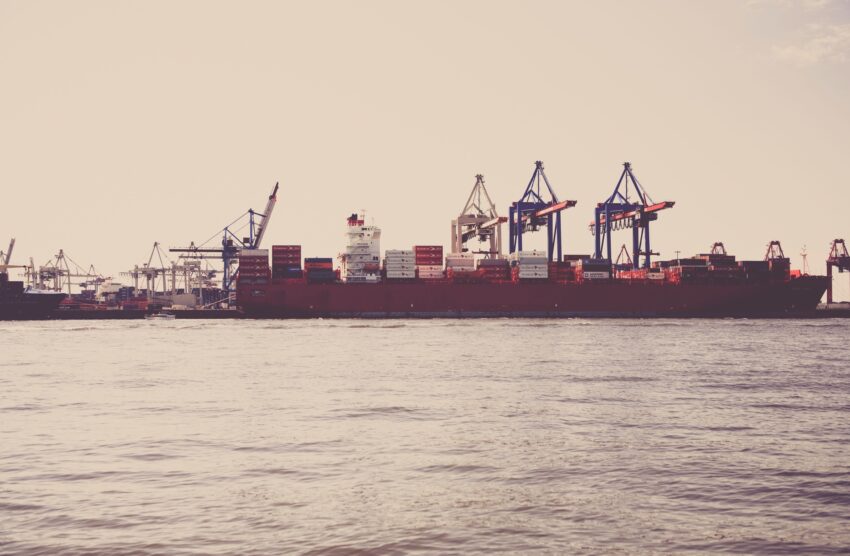
International shipping costs in 2026 remain a major expense for importers, exporters, manufacturers, retailers, and online sellers. Freight rates can vary widely based on shipment size, destination, transport method, fuel prices, customs requirements, and delivery speed.
Understanding how to compare shipping quotes can help businesses reduce logistics expenses without sacrificing reliability. Whether you operate an established company or a growing online business, better freight planning can protect profit margins and improve cash flow.
This guide explains how international shipping costs in 2026 are calculated, how to compare freight rates, which fees to watch, and practical ways to save money on cross-border shipments.
What Are International Shipping Costs in 2026?
International shipping costs are the expenses associated with transporting goods from one country to another. These costs can include transportation, handling, customs clearance, insurance, storage, duties, taxes, and other logistics charges.
The final price depends on several factors. A small parcel shipped by air may cost more per kilogram than a large ocean shipment. A shipment requiring urgent delivery can also have significantly higher transportation costs.
For businesses, the goal is not simply to find the lowest advertised freight rate. The better approach is to calculate the total landed cost of each shipping option.
What Factors Affect International Freight Rates?
1. Shipping Method
The transportation method has one of the biggest effects on freight costs.
Ocean freight is commonly used for large and heavy shipments because it can offer lower transportation costs per unit. Air freight is faster but usually costs more. Express courier services are convenient for smaller shipments but may have higher rates for larger packages.
Businesses should compare ocean, air, rail, road, and courier options based on both cost and delivery requirements.
2. Shipment Weight and Dimensions
Carriers calculate prices using actual weight, dimensional weight, or chargeable weight depending on the service.
Large packages that are relatively light can be expensive because they occupy significant cargo space. For this reason, reducing unnecessary packaging can lower shipping expenses.
3. Origin and Destination
International shipping costs vary by trade lane. Popular routes with strong carrier competition may have different pricing from less frequently served destinations.
Distance is important, but it is not the only factor. Port congestion, infrastructure, fuel costs, customs procedures, and local delivery conditions can also influence the final price.
4. Fuel and Carrier Surcharges
Fuel surcharges can change the total cost of transportation. Carriers may also apply security, congestion, peak-season, handling, or other surcharges.
When comparing quotes, check whether these charges are already included. A low base rate can become expensive after additional fees are added.
5. Customs Duties and Taxes
Import duties and taxes can represent a significant part of the total cost. The amount depends on the product classification, customs value, country of origin, and destination country’s regulations.
Businesses should research customs requirements before shipping. The World Customs Organization provides international customs information and resources that can help businesses understand the broader customs environment.
How to Compare International Shipping Quotes
Comparing freight rates requires more than looking at the headline price. Different carriers may use different pricing structures and service conditions.
Request Multiple Freight Quotes
Start by requesting quotes from several freight forwarders, carriers, or logistics providers. Give each provider exactly the same shipment information.
Include the origin, destination, cargo type, dimensions, weight, number of packages, preferred transport method, delivery deadline, and required services.
Consistent information makes the quotes easier to compare.
Compare the Total Shipping Cost
Do not compare only the base freight charge. Review every line item in the quotation.
Look for fuel surcharges, terminal handling charges, documentation fees, customs clearance fees, delivery charges, storage fees, insurance, and other potential costs.
A slightly higher freight quote may produce a lower total cost if it includes services that another provider charges separately.
Check Transit Times
Price should always be evaluated alongside delivery time. A cheaper shipping method may take considerably longer.
For inventory-sensitive businesses, delayed delivery can create stock shortages and lost sales. Therefore, the cheapest freight rate is not necessarily the lowest overall business cost.
Ocean Freight vs. Air Freight in 2026
Ocean and air freight serve different business needs.
Ocean freight is generally suitable for larger shipments where delivery speed is less critical. It can be useful for manufacturers, wholesalers, importers, and retailers moving substantial volumes.
Air freight is better suited to urgent, valuable, lightweight, or time-sensitive products. Although the transportation cost can be higher, faster delivery can sometimes justify the additional expense.
Businesses should calculate the cost of transportation together with inventory carrying costs, storage, product value, and the financial impact of delayed deliveries.
How Businesses Can Reduce International Shipping Costs
Optimize Packaging
Packaging directly affects shipping costs. Reduce unnecessary space while keeping products protected during transportation.
Use appropriately sized cartons and consider packaging materials that provide protection without adding excessive weight.
Consolidate Shipments
Combining smaller shipments into larger consignments can improve transportation efficiency. Consolidation can be particularly useful when shipments are going to the same destination or distribution center.
Instead of paying separate shipping charges for several small shipments, businesses can investigate consolidated freight options.
Plan Shipments Earlier
Last-minute transportation can be expensive. Advance planning gives businesses more opportunities to compare carriers and choose economical transport methods.
Seasonal demand can also affect capacity and pricing. Building shipping schedules around expected demand can reduce the need for emergency freight.
Negotiate Carrier Rates
Businesses with consistent shipping volumes may have opportunities to negotiate better rates with carriers or freight forwarders.
Ask about volume discounts, contract rates, minimum shipment quantities, and reduced accessorial fees. Even small reductions can produce meaningful savings over hundreds of shipments.
Use the Right Incoterm
International sales contracts often use Incoterms to define responsibilities between buyers and sellers.
Terms such as EXW, FOB, CIF, and DDP can allocate transportation, insurance, customs, and delivery responsibilities differently. Businesses should understand the financial implications of each term before agreeing to it.
The International Chamber of Commerce Incoterms resources provide information about internationally recognized trade terms.
Understand Total Landed Cost
Total landed cost is a more useful measurement than freight price alone. It represents the overall expense of getting a product to its final destination.
A basic calculation may include:
Total Landed Cost = Product Cost + Freight + Insurance + Duties + Taxes + Customs Fees + Handling + Other Logistics Costs
For example, a supplier with a lower product price may not be cheaper if its shipping charges, duties, or delivery expenses are significantly higher.
Understanding landed costs is especially important for an online business selling products internationally.
International Shipping and Dropshipping Businesses
Shipping costs can have an especially large impact on a dropshipping business. Because many dropshipping sellers ship individual orders directly to customers, shipping can represent a substantial percentage of the selling price.
Before choosing a supplier, calculate product cost, shipping cost, transaction fees, advertising expenses, returns, and taxes.
Comparing affiliate vs dropshipping business models can also help entrepreneurs understand different cost structures. Affiliate marketing typically does not require the seller to manage physical inventory or fulfill customer orders, while dropshipping involves product fulfillment and logistics.
For entrepreneurs building passive income, logistics-heavy business models should still be evaluated carefully because shipping problems can create customer service costs and reduce profit.
How Customs Can Increase Shipping Expenses
Customs compliance is another important part of international logistics. Incorrect product classifications, incomplete documentation, or inaccurate declarations can cause delays and additional costs.
Businesses should maintain accurate commercial invoices, packing lists, product descriptions, values, and country-of-origin information.
Importers should also research applicable duties and taxes before placing large orders. A shipment that looks profitable before customs costs may have a much smaller margin after import expenses.
Should You Use a Freight Forwarder?
A freight forwarder can help businesses coordinate international transportation. Depending on the service, a forwarder may arrange freight, documentation, customs coordination, warehousing, consolidation, and final delivery.
For companies that ship internationally on a regular basis, professional logistics support can simplify complex supply chains.
However, compare the provider’s complete pricing structure before signing an agreement. Ask about handling charges, documentation fees, storage, customs services, and destination charges.
Technology Can Help Lower Shipping Costs
Modern logistics software can make freight management more efficient. Businesses can use technology to compare quotes, monitor shipments, manage inventory, analyze carrier performance, and identify expensive shipping routes.
Automated shipping platforms can also reduce manual data entry and improve order fulfillment.
For an online business, integrating ecommerce systems with shipping software can create a smoother fulfillment process and reduce operational errors.
International Shipping Cost Checklist for 2026
Before booking an international shipment, review these key points:
1. Confirm the product weight and dimensions.
2. Compare at least several freight quotes when practical.
3. Check whether fuel and other surcharges are included.
4. Compare total landed costs rather than base freight prices.
5. Confirm customs duties and import taxes.
6. Review transit times and delivery commitments.
7. Check insurance requirements.
8. Review Incoterms and each party’s responsibilities.
9. Look for consolidation opportunities.
10. Negotiate rates when shipment volume supports it.
Final Thoughts on International Shipping Costs in 2026
International shipping costs in 2026 depend on much more than distance. Freight method, cargo dimensions, fuel surcharges, customs charges, delivery requirements, and destination services can all affect the final amount.
The best way to control logistics expenses is to compare complete shipping costs and understand the services included in every quotation. Businesses should also optimize packaging, consolidate shipments, negotiate rates, and plan transportation ahead of time.
For importers, exporters, ecommerce sellers, and entrepreneurs, effective shipping management can protect profit margins and improve customer satisfaction. Whether your strategy involves traditional retail, a dropshipping business, or affiliate marketing, understanding logistics costs can help you make better financial decisions.
As international trade continues to evolve, businesses that monitor freight rates and calculate total landed costs will be better positioned to manage expenses and build sustainable growth.