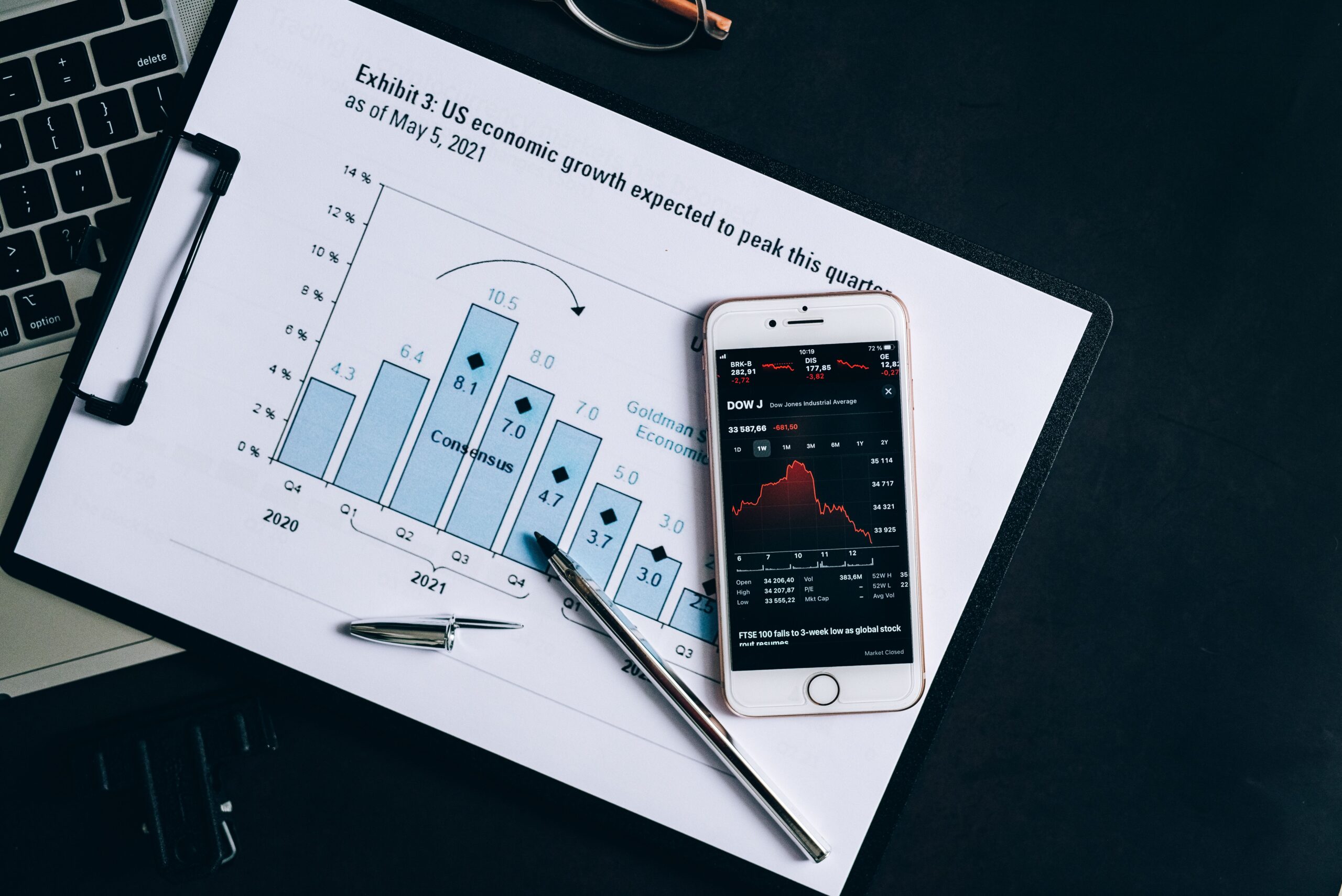
The Economic Forecast 2026 is an important guide for investors, businesses, and households planning for the year ahead. Economic growth, inflation, interest rates, employment, and financial markets can all affect how money performs.
In 2026, the global economy is expected to remain influenced by several major forces. Central bank policy, consumer spending, government debt, technology investment, energy prices, and geopolitical risks will continue to shape economic conditions.
Understanding these trends can help investors make better decisions. It can also help businesses manage costs and identify new opportunities. However, economic forecasts are estimates, not guarantees.
What Is the Economic Forecast for 2026?
The Economic Forecast 2026 points toward an economy shaped by slower but potentially more stable growth, changing inflation trends, and evolving interest-rate policies. Different countries will experience different results.
Advanced economies may face slower growth as borrowing costs, demographic changes, and high public debt remain important concerns. At the same time, investment in artificial intelligence, cloud computing, clean energy, infrastructure, and automation could support productivity.
Emerging markets may offer stronger growth potential. Yet they can also face currency volatility, capital-flow changes, and higher financing risks.
For investors, the key issue is not simply whether the economy grows. The bigger question is how growth, inflation, and interest rates interact.
GDP Growth Outlook for 2026
Gross domestic product, or GDP, measures the total value of goods and services produced by an economy. GDP growth is one of the most important indicators in any economic outlook.
Moderate Growth Could Define the Year
A moderate-growth environment could create a mixed investment landscape. Companies with strong balance sheets may continue to perform well. Businesses that depend heavily on cheap borrowing may face greater pressure.
Consumer spending will remain another major factor. If households maintain income growth and employment remains relatively strong, consumer demand can support economic activity.
However, weaker consumer confidence could reduce spending. This would affect sectors such as retail, travel, housing, and discretionary goods.
Technology May Support Productivity
Technology investment could become a major source of economic growth in 2026. Artificial intelligence, automation, data centers, cybersecurity, and advanced semiconductor infrastructure are attracting significant business investment.
Higher productivity can allow companies to produce more with fewer resources. Over time, this can support economic growth while helping businesses control operating costs.
Inflation Outlook for 2026
Inflation remains one of the most important factors in the Economic Forecast 2026. Falling inflation can improve household purchasing power. It can also give central banks more flexibility with interest-rate policy.
However, inflation does not always move in a straight line. Energy prices, housing costs, wages, transportation expenses, and supply-chain disruptions can create renewed price pressure.
Investors should therefore watch both headline inflation and core inflation. Core measures can provide a clearer picture of underlying price trends because they reduce the impact of highly volatile categories.
Why Inflation Matters to Your Investments
High inflation can reduce the real value of cash. It can also increase business costs and put pressure on profit margins.
Some assets may perform better during inflationary periods. These can include certain real assets, inflation-linked securities, and companies with strong pricing power.
Investors should focus on diversification rather than attempting to predict every inflation move.
Interest Rates and the 2026 Economy
Interest rates will remain a major market driver in 2026. Central banks use interest rates to influence borrowing, spending, investment, and inflation.
If inflation continues to moderate, central banks may have greater room to reduce rates or maintain less restrictive monetary policy. However, persistent inflation could limit the speed of rate reductions.
Lower interest rates can benefit borrowers and businesses. They may also support stocks, real estate, and other interest-sensitive assets.
On the other hand, higher-for-longer rates can increase borrowing costs. This can affect mortgages, corporate loans, credit cards, and business expansion.
Stock Market Outlook for 2026
The stock market outlook for 2026 will depend on earnings growth, interest rates, valuations, economic growth, and investor sentiment.
Strong corporate earnings could support equity markets. However, expensive valuations can increase the risk of sharp corrections if expectations change.
Technology and AI Investments
Artificial intelligence may remain a major investment theme. Companies involved in semiconductors, cloud infrastructure, data centers, enterprise software, and automation could benefit from continued technology spending.
However, investors should avoid assuming that every AI-related company will succeed. Competition can be intense. Valuations can also become excessive when investor enthusiasm rises quickly.
Dividend and Value Stocks
Dividend-paying companies may attract investors seeking income and potentially lower volatility. Established businesses with strong cash flow can provide stability during uncertain market conditions.
Value-oriented stocks may also become attractive if investors rotate away from highly valued growth companies.
Bond Market Opportunities in 2026
Bonds could become increasingly important as investors balance income, risk, and portfolio diversification.
When interest rates decline, existing bonds with higher yields can become more attractive. However, bond prices and yields move in opposite directions, so investors should understand duration risk.
Short-term bonds can offer relatively lower interest-rate sensitivity. Longer-term bonds may provide greater potential price gains if rates fall, but they can also experience larger price swings.
Investors should consider credit quality as well. Government bonds, investment-grade corporate bonds, and high-yield bonds carry different levels of risk.
Real Estate and Housing Market Outlook
Real estate will remain closely connected to interest rates and household income in 2026.
Lower mortgage rates could improve housing affordability and increase demand. Yet limited housing supply, high property prices, insurance costs, and local economic conditions can continue to create challenges.
Commercial real estate may experience different conditions depending on the property type. Data centers, logistics facilities, and infrastructure-related properties could benefit from technology and supply-chain investment.
Best Investment Opportunities to Watch in 2026
The Economic Forecast 2026 highlights several areas investors may want to monitor. No investment is guaranteed, so risk tolerance and time horizon should guide decisions.
1. Diversified Stock Portfolios
A diversified portfolio can provide exposure to multiple industries and regions. Investors may combine growth stocks, value stocks, dividend companies, and international equities.
2. Bonds and Fixed Income
Fixed-income investments can provide income while helping reduce dependence on stock-market performance. The right mix depends on interest-rate expectations and personal financial goals.
3. Artificial Intelligence and Technology
AI infrastructure, semiconductors, cloud computing, cybersecurity, and automation remain long-term themes worth monitoring. Investors should evaluate company fundamentals rather than buying based only on headlines.
4. Infrastructure and Energy
Infrastructure spending can create opportunities across construction, utilities, transportation, energy systems, and technology infrastructure.
5. Businesses With Recurring Revenue
Companies with subscription models and recurring revenue can sometimes provide more predictable cash flow. This business model is especially relevant in software and digital services.
How Entrepreneurs Can Benefit From Economic Trends
Economic changes create opportunities outside traditional investments. Entrepreneurs can use changing consumer behavior and technology adoption to build new revenue streams.
For example, an online business can often operate with lower overhead than a traditional physical business. Digital services, educational products, software, consulting, and content businesses can all benefit from continued internet adoption.
Some entrepreneurs also explore affiliate marketing as a performance-based business model. It can create passive income potential when useful content attracts consistent search traffic.
Other entrepreneurs may consider a dropshipping business. However, profit margins, advertising costs, product quality, shipping times, and customer service must be carefully managed.
Understanding affiliate vs dropshipping can help new entrepreneurs choose a business model that matches their skills, budget, and long-term goals.
Risks That Could Change the Economic Forecast 2026
Economic forecasts can change quickly. Investors should consider several downside risks.
Geopolitical Risk
International conflicts and trade restrictions can affect energy prices, shipping costs, supply chains, and business confidence.
Persistent Inflation
If inflation remains above central-bank targets, interest rates could stay elevated for longer than investors expect.
High Government Debt
Large government debt burdens may increase financing challenges. Higher interest expenses can also place pressure on public budgets.
Market Valuation Risk
Strong market performance can create expensive valuations. If corporate earnings fail to meet expectations, markets can experience significant corrections.
How to Prepare Your Portfolio for 2026
Investors should avoid building an entire portfolio around one economic prediction. Instead, diversification can help manage uncertainty.
Start by reviewing your investment time horizon and risk tolerance. Then consider how much exposure you have to stocks, bonds, cash, real estate, and international markets.
An emergency fund can also provide financial flexibility. It may reduce the need to sell investments during a market downturn.
Investors should also review fees and taxes. Even small annual costs can have a meaningful effect on long-term returns.
For reliable economic data, investors can monitor resources from the International Monetary Fund, the World Bank, and the OECD. U.S. investors can also follow data from the Federal Reserve and the U.S. Bureau of Labor Statistics.
Final Thoughts on the Economic Forecast 2026
The Economic Forecast 2026 suggests a year where growth, inflation, interest rates, and technology will remain closely connected.
Moderate economic growth could create opportunities for disciplined investors. At the same time, inflation, interest-rate uncertainty, geopolitical developments, and market valuations could create volatility.
The best approach is to focus on fundamentals. Build a diversified portfolio. Maintain an appropriate cash reserve. Review risk regularly. Avoid making decisions based solely on short-term headlines.
Whether you are investing in stocks, bonds, real estate, or building an online business, understanding the economic environment can help you make more informed financial decisions in 2026 and beyond.