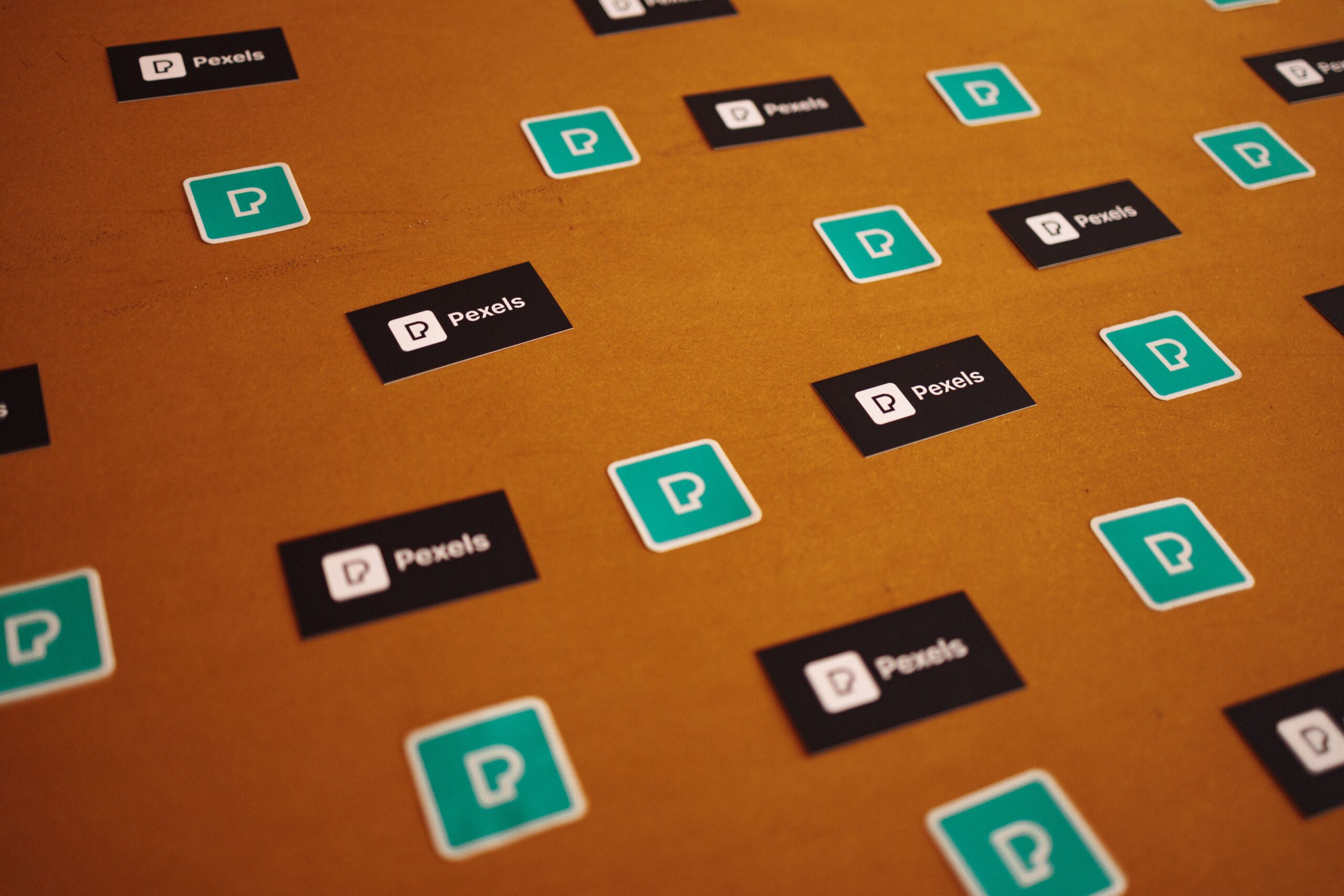
Your brand identity is the visual and strategic system that helps people recognize your business. It includes your logo, colors, typography, imagery, messaging, packaging, website design, and overall visual style. When these elements work together, they create a consistent experience that builds recognition and trust.
Whether you run a startup, local company, professional service, ecommerce store, or online business, investing in a strong brand identity can help you stand apart. It can also support customer loyalty, improve marketing performance, and create a stronger foundation for long-term growth.
What Is Brand Identity Design?
Brand identity design is the process of creating the visual and verbal elements that represent a business. It transforms a company’s strategy and personality into a recognizable brand system.
Brand identity is different from a logo. A logo is only one part of the identity. A complete system can include:
- Logo and logo variations
- Brand colors
- Typography and font selection
- Photography and illustration style
- Iconography and graphic elements
- Brand voice and messaging
- Website and social media visuals
- Packaging and printed materials
- Brand guidelines
The goal is consistency. Customers should recognize your business whether they see your website, social media profile, advertisement, email, product packaging, or business card.
Why Brand Identity Matters in 2026
The digital marketplace is becoming increasingly crowded. Businesses compete across search engines, social platforms, marketplaces, video channels, and advertising networks. As a result, visual recognition has become a valuable business asset.
A professional identity can help your company make a strong first impression. It can also make your marketing materials look more trustworthy and organized.
Strong branding can support several important business goals:
- Build customer trust: Consistent design can make a business appear established and professional.
- Improve recognition: Distinctive colors, typography, and graphics help customers remember your company.
- Support marketing: A defined visual system makes campaigns faster and more consistent.
- Increase perceived value: Professional presentation can strengthen how customers perceive your products and services.
- Differentiate your business: Unique positioning and design can help you stand apart from competitors.
For businesses competing online, these advantages can influence clicks, engagement, conversions, and repeat purchases.
Key Elements of a Modern Brand Identity
1. Brand Strategy
Effective design starts with strategy. Before choosing colors or creating a logo, define what your business represents.
Identify your target audience, market position, core values, personality, promise, and competitive advantage. This information gives designers a clear direction.
For example, a premium financial advisory firm may need a sophisticated and trustworthy identity. A children’s education company may require a warmer and more approachable visual system.
2. Logo Design
Your logo is often the most recognizable part of your identity. A good logo should be simple, distinctive, scalable, and relevant to the business.
A modern logo should work across multiple formats. It may appear on a website header, mobile screen, social media profile, business card, product label, or large advertisement.
Avoid adding too many details. Simple logos are usually easier to recognize and reproduce.
3. Color Palette
Color plays an important role in visual recognition. Your brand should have a primary palette and supporting colors that work across digital and print environments.
Choose colors based on your audience and positioning. For example, financial brands often favor trustworthy and professional visual systems, while lifestyle brands may use brighter and more expressive palettes.
Do not choose colors based only on personal preference. Consider accessibility, contrast, industry expectations, and competitor positioning.
4. Typography
Typography gives your brand a distinct personality. The right font combination can make a company look modern, elegant, technical, friendly, or authoritative.
Create clear rules for headings, body text, buttons, captions, and other content. Using a limited number of typefaces also helps maintain consistency.
5. Photography and Visual Style
Images can communicate your brand personality faster than text. Define the type of photography, illustrations, icons, and graphics your business will use.
A technology company may use clean product photography and abstract graphics. A travel company may focus on authentic lifestyle photography. The important point is consistency.
How to Create a Memorable Brand Identity in 2026
Step 1: Research Your Target Audience
Start by understanding your customers. Learn about their needs, preferences, buying behavior, and expectations.
Review customer feedback and study competitor brands. Look for gaps in the market. Your identity should fit your audience while giving them a reason to remember you.
Step 2: Define Your Brand Positioning
Brand positioning explains why customers should choose your business instead of another option.
Define what makes your company different. Your positioning may focus on price, quality, expertise, innovation, convenience, sustainability, customer service, or a specialized niche.
A clear position makes design decisions easier. Every visual element should support the same business message.
Step 3: Develop a Distinctive Visual Concept
Once your strategy is clear, create a visual direction. Explore logo concepts, colors, fonts, imagery, layouts, and graphic patterns.
The objective is not to follow every design trend. Instead, create an identity that feels relevant in 2026 but remains useful for years.
Step 4: Build Brand Guidelines
Brand guidelines protect consistency as your business grows. They explain how your logo, colors, fonts, images, and other assets should be used.
A useful brand guideline document should include logo rules, color codes, typography, spacing, image direction, tone of voice, and examples of correct and incorrect usage.
Step 5: Apply the Identity Everywhere
Your brand identity should appear consistently across every customer touchpoint. Update your website, social media profiles, email templates, advertisements, presentations, packaging, invoices, and sales materials.
Consistency creates familiarity. Familiarity can increase trust over time.
Brand Identity Design for Online Businesses
A strong identity is especially valuable for an online business. Digital companies often have fewer physical touchpoints. Their website, social profiles, advertisements, and content become major parts of the customer experience.
This is also important for businesses using affiliate marketing. Publishers and marketers need recognizable landing pages, banners, graphics, and content that communicate credibility.
The same principle applies to a dropshipping business. Since many sellers may offer similar products, strong branding can help create differentiation. A professional identity can make an otherwise generic ecommerce store feel more trustworthy.
Even content creators building passive income streams can benefit from a consistent brand. A recognizable visual system can connect websites, newsletters, social profiles, digital products, and advertising campaigns.
When evaluating business models such as affiliate vs dropshipping, branding should also be part of the strategy. Affiliate websites may depend heavily on content credibility, while a dropshipping store may need stronger product presentation and customer trust.
Brand Identity and Digital Marketing Performance
Branding and digital marketing should work together. A strong identity gives your marketing campaigns a consistent visual foundation.
For example, your paid search advertisements can lead to landing pages that use the same colors, typography, messaging, and imagery. This creates a smoother customer journey.
Social media content also becomes easier to produce when you have established design rules. Templates can reduce production time while keeping posts visually consistent.
Businesses should also connect branding with their SEO strategy. Helpful content, professional design, clear navigation, and consistent messaging can improve the overall user experience.
For additional guidance on web standards and accessibility, businesses can review resources from the World Wide Web Consortium at W3C.
Common Brand Identity Mistakes to Avoid
Following Every Design Trend
Design trends change quickly. A visual style that is popular today may look outdated within a few years. Use trends selectively. Your core identity should be built around your positioning and audience.
Creating a Logo Without a Strategy
A beautiful logo cannot fix unclear positioning. Strategy should come first. Design should communicate the brand rather than simply decorate it.
Using Too Many Fonts and Colors
Too many visual elements can make a brand look inconsistent. Establish a focused color palette and typography system.
Ignoring Mobile Experiences
Customers frequently interact with businesses through smartphones. Your logo, website, advertisements, and graphics must remain clear on smaller screens.
Inconsistent Brand Usage
Changing your colors, fonts, logo, and messaging across different channels weakens recognition. Brand guidelines can prevent this problem.
How Much Should You Invest in Brand Identity Design?
The cost of brand identity design depends on the size and complexity of the project. A small business may need a focused identity package. A larger company may require extensive research, multiple brand applications, packaging systems, digital assets, and detailed guidelines.
Instead of selecting a designer based only on price, evaluate experience, portfolio quality, strategic thinking, communication, and ability to create scalable systems.
A well-designed identity should be viewed as a business investment. It can support marketing, sales, customer experience, and long-term brand recognition.
2026 Brand Identity Design Trends to Watch
Several design directions are shaping modern branding. These include flexible logo systems, accessible design, responsive visual identities, refined typography, authentic photography, motion graphics, and stronger digital-first brand systems.
AI-assisted design is also changing the creative workflow. Businesses can use AI tools for exploration and concept development. However, human strategy remains important. Strong branding requires understanding customers, positioning, emotion, culture, and business objectives.
The best approach is to use technology as a creative accelerator rather than allowing automated trends to define the entire brand.
How to Measure Brand Identity Success
Branding should support measurable business goals. Track indicators that show whether your identity is helping the business.
- Direct website traffic
- Branded search activity
- Customer engagement
- Conversion rates
- Repeat purchases
- Customer feedback
- Social media recognition
- Marketing campaign performance
Over time, stronger recognition can reduce the need to explain who you are. Customers begin to understand your business from your visual and verbal signals.
Final Thoughts on Brand Identity Design 2026
Brand identity design is more than creating a logo. It is the process of building a recognizable and consistent business experience.
In 2026, successful brands need clarity, consistency, flexibility, and authenticity. Start with strategy. Understand your audience. Define your position. Then create a visual system that communicates your value across every customer touchpoint.
Whether you are building a traditional company, an ecommerce store, an online business, an affiliate marketing website, or a dropshipping business, professional branding can strengthen your presence and support long-term growth.
The strongest identity is not necessarily the most complicated one. It is the one customers can recognize, understand, trust, and remember.